Lifestyle 
Cesta Roman: The Complete History of Roman Roads and Their Lasting Legacy
Discover the meaning of cesta roman, the engineering behind Roman roads, famous routes like Via Appia, and how this ancient road system shaped modern civilization.
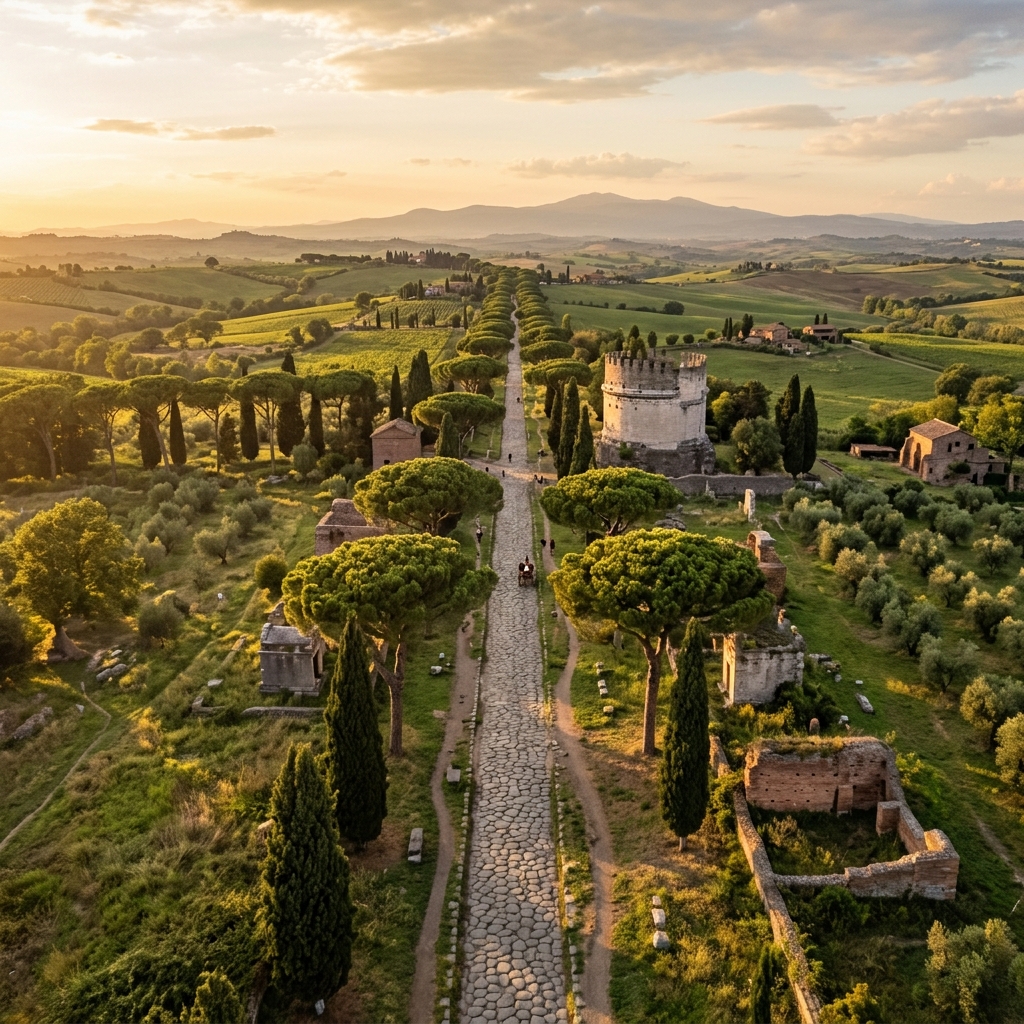
What if one of the greatest secrets behind the most powerful empire in history was not an army, a leader, or a weapon — but a road? The story of cesta roman reveals exactly how ancient roads transformed civilization. More than 2,000 years ago, the Roman Empire built a road network so advanced that parts of it still exist today, and many modern European highways follow the exact same paths that Roman engineers planned centuries before the invention of automobiles. In this comprehensive guide, you will learn what cesta roman truly means, how these remarkable roads were constructed, which famous routes defined the empire, and why this ancient infrastructure continues to influence the way we build and travel in the modern world.
What Does Cesta Roman Mean?
The term cesta roman translates directly to “Roman road” in several Slavic languages, where the word cesta means “road” or “path” and roman connects it to ancient Rome. It is a modern, accessible phrase used in online articles and educational content to describe the vast road system built by the Roman Empire.
It is important to note that the Romans themselves did not use the phrase cesta roman. In Latin, their roads were officially called viae Romanae (singular: via Romana). The modern term has gained popularity because it is simple, easy to remember, and immediately communicates the subject to a broad international audience.
Understanding this distinction matters because it highlights how language evolves around historical concepts. While scholars and archaeologists use the original Latin terminology, the phrase cesta roman serves as an effective bridge between academic history and everyday readers interested in learning about one of humanity’s greatest infrastructure achievements.
The Origins of Cesta Roman: How It All Started
The history of cesta roman begins in 312 BCE, when Roman statesman Appius Claudius Caecus commissioned the construction of the Via Appia — the first major Roman road. This route connected the city of Rome to Capua in southern Italy, spanning approximately 212 kilometers.
Initially, Roman roads were built exclusively for military purposes. The Roman legions needed fast, reliable routes to deploy soldiers across the growing republic. Without proper roads, armies moved slowly through rough terrain, making them vulnerable to ambush and logistical failures.
As Rome expanded from a regional power into a continental empire, the road network grew exponentially. By the height of the Roman Empire in the 2nd century CE, the system spanned over 400,000 kilometers — connecting cities and military outposts across Europe, North Africa, and parts of Western Asia. This extraordinary expansion transformed what began as a military necessity into the backbone of Roman civilization.
How Roman Roads Were Engineered and Built
The construction techniques behind cesta roman represent some of the most sophisticated civil engineering of the ancient world. Roman road building followed a systematic, layered approach that prioritized durability and drainage — principles still used in modern highway construction.
The Construction Process
| Layer | Material | Purpose |
|---|---|---|
| Statumen (Foundation) | Large stones and rubble | Provided structural stability and load-bearing capacity |
| Rudus (Base) | Crushed stone and gravel | Created a compacted, level surface above the foundation |
| Nucleus (Core) | Fine gravel, sand, and cement | Offered additional strength and smoothness |
| Summa Crusta (Surface) | Flat paving stones (polygonal slabs) | Delivered a durable, weather-resistant walking and riding surface |
Smart Design Features
Roman engineers incorporated several ingenious design elements into their roads:
- Cambered surface — The center of the road was raised slightly higher than the edges, creating a gentle curve that directed rainwater into drainage ditches on both sides
- Straight-line routing — Whenever possible, roads were built in remarkably straight lines using surveying instruments called groma and chorobates, reducing travel distances
- Bridges and tunnels — When roads encountered rivers, valleys, or mountains, Roman engineers built stone bridges (pontes) and carved tunnels through hillsides rather than rerouting
- Milestones — Stone markers called miliaria were placed at regular intervals, displaying distances to major cities and helping travelers navigate the network
These engineering decisions explain why many cesta roman roads survived for millennia while most ancient structures crumbled. The combination of deep foundations, layered construction, and effective drainage created infrastructure that rivaled modern standards.
Famous Cesta Roman Roads That Shaped History
Not all Roman roads held equal importance. Some became legendary routes that defined trade, military strategy, and cultural exchange across the empire.
Via Appia — The Queen of Roads
The Via Appia, built in 312 BCE, earned the title “Regina Viarum” (Queen of Roads) for its strategic importance. Running from Rome to Brindisi in southeastern Italy, it served as the primary route for military campaigns into Greece and the eastern Mediterranean. Today, sections of the Via Appia Antica remain a popular tourist destination in Rome, where visitors can walk on the original 2,300-year-old paving stones.
Via Egnatia — Connecting East and West
The Via Egnatia stretched from Dyrrachium (modern Durrës, Albania) to Byzantium (modern Istanbul, Turkey), linking the western and eastern halves of the empire. This route was essential for trade, communication, and military coordination across the Balkans and into Asia Minor.
Via Flaminia — Rome’s Northern Gateway
The Via Flaminia connected Rome to Ariminum (modern Rimini) on the Adriatic coast, serving as the empire’s primary route into northern Italy and Gaul. Built in 220 BCE, it remained one of the most heavily traveled roads in Roman history.
Via Aurelia — The Western Coast Highway
Running along the Tyrrhenian coast from Rome to Genoa and eventually into Gaul (modern France), the Via Aurelia facilitated coastal trade and connected Rome to its western provinces.
Why Cesta Roman Was Essential to the Roman Empire
The road network served as the circulatory system of the Roman Empire, enabling five critical functions that no other ancient civilization achieved at the same scale:
1. Military Dominance
Roman legions could march up to 30 kilometers per day on well-maintained roads — an extraordinary pace for ancient armies. This speed allowed Rome to respond rapidly to threats, rebellions, and border incursions across a territory stretching from Britain to Mesopotamia.
2. Economic Growth Through Trade
Cesta roman transformed local economies into an interconnected continental market. Merchants transported goods including grain, wine, olive oil, pottery, textiles, and metals along these routes. The reliability and safety of Roman roads reduced trade risks, lowered transportation costs, and encouraged commercial growth that benefited citizens across the empire.
3. Efficient Communication
The cursus publicus — Rome’s official postal and messenger service — relied entirely on the road network. Government dispatches, legal decrees, and military orders could travel across the empire within days rather than weeks, enabling effective administration of provinces separated by thousands of kilometers.
4. Cultural Exchange and Language
As people, merchants, soldiers, and scholars traveled along cesta roman, they carried more than goods. They shared language, art, philosophy, religion, and legal traditions. The Latin language spread throughout Western Europe largely through road-enabled movement and settlement. Christianity, too, expanded across the empire using these same transportation routes.
5. Urbanization and Settlement
Towns and cities grew naturally along major road junctions. Londinium (London), Lutetia (Paris), and Colonia Agrippina (Cologne) all developed at strategic points on the Roman road network. These settlements eventually became some of Europe’s most important cities — a direct legacy of cesta roman planning.
The Decline of Roman Roads
As the Roman Empire began weakening in the 4th and 5th centuries CE, maintaining the vast road network became increasingly difficult. Several factors contributed to the decline:
- Reduced government funding as the empire’s tax base shrank
- Military withdrawals from frontier provinces, leaving roads unpatrolled and vulnerable to damage
- Climate change and natural disasters that eroded foundations and washed away surface layers
- Population decline in peripheral regions, reducing the labor available for road maintenance
Despite these challenges, the fundamental strength of Roman construction meant that many roads survived centuries of neglect. Some continued functioning as major trade routes well into the Medieval period, and others were incorporated directly into the road systems of successor kingdoms and states.
How Cesta Roman Influences Modern Roads and Infrastructure
The engineering principles behind cesta roman directly influenced modern road construction methods and transportation planning:
- Layered construction — Modern asphalt and concrete highways use the same foundational principle of stacked layers with increasing fineness toward the surface
- Drainage design — The cambered road surface and side ditches pioneered by Roman engineers remain standard practice in contemporary highway engineering
- Route planning — Many major European highways, including sections of the Italian Autostrada, French autoroutes, and British A-roads, follow paths originally established by Roman road builders
- Urban infrastructure — The concept of a centralized road network connecting economic and administrative centers remains the foundation of modern transportation policy
Archaeological evidence shows that Roman roads were overbuilt for their era — designed to handle loads and traffic volumes that exceeded contemporary needs. This forward-thinking approach to infrastructure investment is a lesson that modern transportation planners frequently cite when arguing for long-term infrastructure spending.
Visiting Cesta Roman Today: Heritage Tourism
For history enthusiasts and travelers, many cesta roman routes are accessible as heritage tourism destinations:
- Via Appia Antica, Rome — A regional park preserving the original road surface, lined with ancient tombs, catacombs, and Roman ruins
- Hadrian’s Wall Path, England — Following the Roman military road along the northern frontier of Britannia
- Via Domitia, France — The first Roman road built in Gaul, with preserved sections visible near Narbonne
- Via Egnatia Heritage Trail, Albania and Greece — Sections of the ancient east-west route accessible to hikers and cultural tourists
These sites offer a tangible connection to the ancient world and provide visitors with a deeper appreciation for the scale and ambition of Roman engineering.
Frequently Asked Questions (FAQ)
What does cesta roman mean?
Cesta roman means “Roman road” in several Slavic languages. The word cesta translates to “road” or “path,” and roman connects it to ancient Rome. It is a modern term used to describe the road network built by the Roman Empire. The Romans themselves called their roads viae Romanae in Latin.
When was the first cesta roman road built?
The first major Roman road, the Via Appia, was constructed in 312 BCE under the direction of Appius Claudius Caecus. It connected Rome to Capua in southern Italy and later extended to Brindisi on the southeastern coast.
How long was the entire Roman road network?
At its peak during the 2nd century CE, the Roman road network stretched over 400,000 kilometers across Europe, North Africa, and parts of Western Asia — making it one of the largest infrastructure projects in human history.
Are Roman roads still used today?
Yes. Many modern European roads and highways follow the exact routes planned by Roman engineers. In some locations, the original paving stones are still visible and walkable. The Via Appia Antica in Rome is one of the best-preserved examples, attracting thousands of visitors annually.
How did cesta roman roads survive for so long?
Roman roads survived because of their multi-layered construction technique, which included deep stone foundations, compacted gravel cores, and durable paving surfaces. The cambered design directed rainwater away from the road, preventing water damage — the primary cause of road deterioration in ancient and modern times.
Conclusion
The story of cesta roman is the story of how infrastructure shapes civilization. What began in 312 BCE as a single military road connecting Rome to southern Italy grew into a continental network spanning over 400,000 kilometers — connecting armies, merchants, scholars, and citizens across three continents. The engineering principles behind these roads were so advanced that they influenced modern highway construction, and many original Roman routes still serve as the foundations for today’s European transportation networks. From the legendary Via Appia to the trade-enabling Via Egnatia, every major Roman road played a specific role in building, sustaining, and connecting the greatest empire of the ancient world. Understanding cesta roman is not just a history lesson — it is a reminder that strong foundations, smart design, and long-term investment in infrastructure create benefits that endure for millennia.