Technology 
MyFlexBot: What It Is, How It Works, and the Risks You Need to Know
Learn what MyFlexBot is, how this Amazon Flex automation tool works, the risks of using it, and safer alternatives for delivery drivers looking to optimize their earnings.
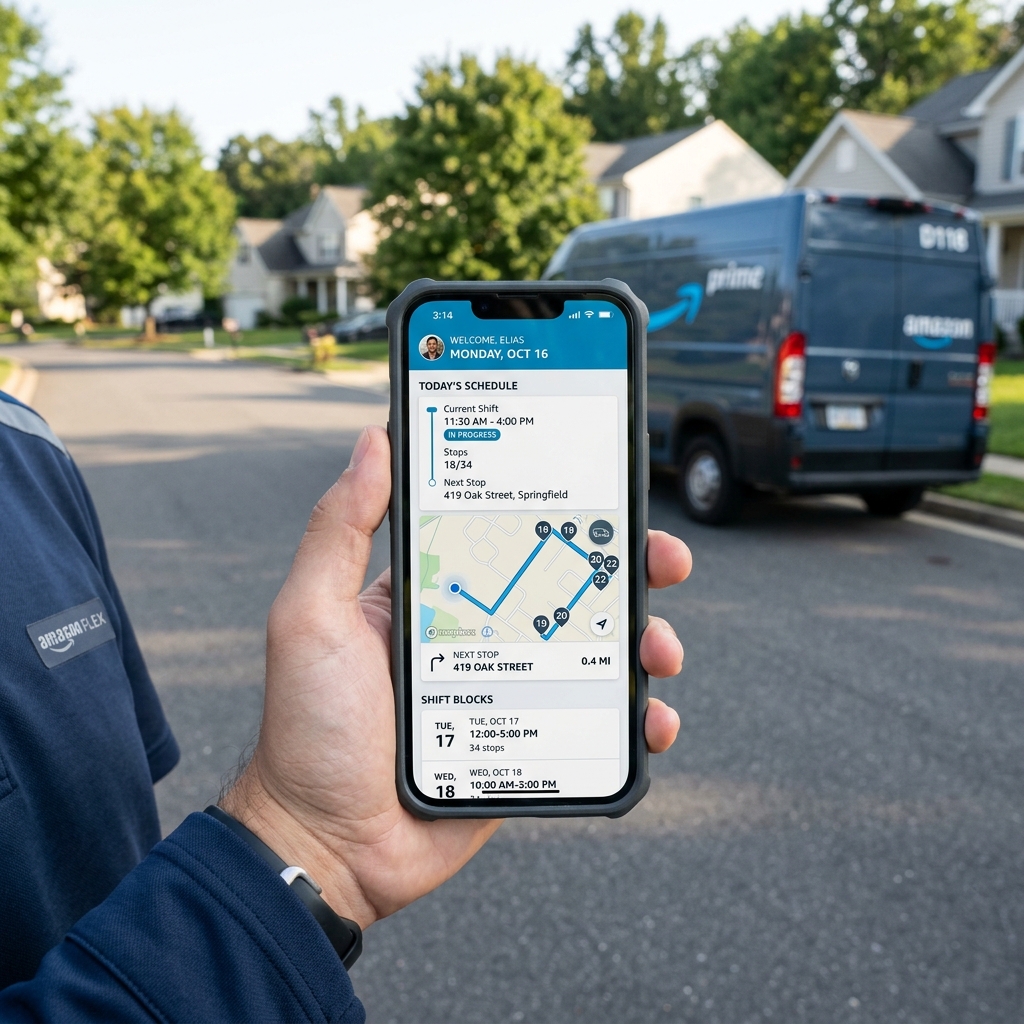
If you are an Amazon Flex driver, you already know the frustration: you open the app, refresh constantly, and watch available delivery blocks disappear in seconds — often before you can even tap on them. This competitive environment has driven many gig workers to search for tools like MyFlexBot, a third-party automation application designed to automatically grab Amazon Flex delivery blocks on behalf of drivers. But while the promise of automated earnings sounds appealing, the reality involves significant risks that every driver should understand before using such a tool. In this comprehensive guide, you will learn exactly what MyFlexBot is, how it functions, the dangers associated with it, and what safer alternatives exist for Amazon Flex drivers looking to maximize their schedules.
What Is MyFlexBot?
MyFlexBot is a third-party automated block-grabbing tool (commonly called a “bot” or “auto-grabber”) built specifically for Amazon Flex drivers. The application monitors the Amazon Flex platform continuously and automatically claims available delivery blocks — the scheduled time slots during which drivers pick up and deliver packages — based on user-defined preferences.
In the gig economy, where competition for limited delivery shifts is intense, tools like MyFlexBot appeal to drivers who struggle to manually refresh the Amazon Flex app fast enough to secure desirable blocks. The tool essentially replaces manual effort with automated monitoring and instant acceptance.
It is important to note upfront that MyFlexBot is not affiliated with, endorsed by, or authorized by Amazon. It operates independently as an unofficial third-party service, and using it carries substantial risks that we will examine in detail throughout this article.
How Does MyFlexBot Work?
MyFlexBot operates through a relatively straightforward automation process, though the technical implementation involves several components:
Step 1: Account Connection
Users provide their Amazon Flex login credentials to the MyFlexBot platform. This grants the tool access to the driver’s account and allows it to interact with the Amazon Flex system on their behalf.
Step 2: Preference Configuration
Drivers configure specific parameters that define which blocks they want the bot to grab:
| Setting | Description |
|---|---|
| Location Filters | Target specific delivery stations or regions |
| Time Preferences | Set preferred delivery windows (morning, afternoon, evening) |
| Minimum Pay Threshold | Only accept blocks that meet a minimum hourly rate |
| Day Preferences | Select which days of the week to search for blocks |
| Priority Rules | Rank preferences when multiple qualifying blocks are available |
Step 3: Automated Monitoring
Once configured, MyFlexBot continuously scans the Amazon Flex platform for available blocks that match the user’s criteria. Unlike manual refreshing — which might happen every few seconds — the bot can check for openings at much higher frequencies.
Step 4: Instant Block Acceptance
When a matching block appears, MyFlexBot automatically accepts it before competing drivers can react. The speed advantage is the primary appeal: the bot responds in milliseconds, while human reaction time is measured in seconds.
Step 5: Notification
After securing a block, the tool notifies the driver via push notification, email, or in-app alert, confirming the scheduled delivery shift.
Why Do Amazon Flex Drivers Use MyFlexBot?
Understanding the motivations behind MyFlexBot usage requires understanding the competitive dynamics of the Amazon Flex ecosystem:
Intense Block Competition
Amazon Flex operates on a first-come, first-served model. When delivery blocks are released, hundreds of drivers in the same region may be competing for a limited number of slots. Blocks in high-demand areas can disappear within one to two seconds of becoming available.
Inconsistent Availability
Block availability varies significantly by location, time of day, and season. During peak periods like Prime Day, Black Friday, and the holiday season, blocks may be plentiful. During slower periods, drivers can spend hours refreshing the app without securing a single shift.
Financial Pressure
For many drivers, Amazon Flex is a primary income source, not a side gig. Missing blocks directly impacts their ability to pay rent, cover bills, and support their families. This financial pressure makes automation tools tempting despite the risks.
Time Investment
Manually searching for blocks requires significant screen time. Drivers report spending two to four hours daily just refreshing the app hoping to catch an available block — time that produces no income unless a block is actually secured.
The Risks of Using MyFlexBot
While MyFlexBot promises convenience, the risks are substantial and well-documented:
1. Amazon Terms of Service Violation
Using any automated tool to interact with the Amazon Flex platform is a direct violation of Amazon’s Terms of Service. Amazon explicitly prohibits the use of bots, scripts, auto-grabbers, and any third-party software that automates actions within their platform. This is not a gray area — it is clearly stated in the agreement every driver accepts when joining the program.
2. Account Deactivation
Amazon actively monitors for bot usage through behavioral analytics, login pattern analysis, and response time tracking. Drivers caught using automation tools face:
- Temporary suspension — Account frozen while Amazon investigates
- Permanent deactivation — Complete removal from the Amazon Flex program with no option to reapply
- Earnings forfeiture — Potential loss of pending payments at the time of deactivation
3. Security and Privacy Concerns
Using MyFlexBot requires providing your Amazon login credentials to a third-party service. This creates several security risks:
- Data exposure — Your Amazon credentials could be stored, shared, or compromised by the third-party service
- Account hijacking — If the third-party platform is breached, attackers gain access to your Amazon account
- Financial risk — Your Amazon account may be linked to bank accounts and payment methods that become vulnerable
4. No Legal Protection
Because MyFlexBot operates outside of Amazon’s authorized ecosystem, users have no legal recourse if something goes wrong. If your account is deactivated, your credentials are stolen, or you experience financial loss, there is no contractual relationship with Amazon that protects you.
5. Unfair Competition Impact
Widespread bot usage creates an uneven playing field that harms the broader driver community. Drivers who rely on manual methods are systematically disadvantaged, as bots consistently outpace human reaction times. This dynamic can lead to a “bot arms race” where everyone feels pressured to use automation tools just to compete.
How Amazon Detects Bot Usage
Amazon employs sophisticated detection systems to identify automated behavior on the Flex platform:
- Response time analysis — Blocks accepted in under one second consistently trigger automated behavior flags
- Login pattern monitoring — Unusual login frequencies, session durations, and IP address patterns can indicate bot usage
- Device fingerprinting — Identifying when interactions come from non-standard devices or automated scripts
- Behavioral modeling — Machine learning algorithms that compare individual driver behavior against known bot patterns
- Rate limiting — Monitoring how frequently a driver’s account queries the block availability system
Safer Alternatives to MyFlexBot
If you are looking to improve your block-grabbing success without risking your Amazon Flex account, consider these legitimate strategies:
Optimize Your Manual Approach
- Learn peak release times — Blocks are often released at predictable intervals; learn your station’s schedule
- Use a fast internet connection — Wired connections or high-speed mobile data reduce latency when refreshing
- Keep the app foreground — Avoid switching between apps, which can introduce delays when returning to Flex
- Set up device notifications — Enable all Amazon Flex notifications to catch block alerts immediately
Build Station Relationships
- Maintain high ratings — Drivers with consistently high performance ratings may receive priority access to certain blocks
- Communicate with station staff — Building professional relationships can help you stay informed about upcoming block releases and scheduling changes
- Accept diverse routes — Being flexible with delivery types (groceries, packages, same-day) increases your available block pool
Diversify Your Income
- Multi-platform approach — Combine Amazon Flex with other delivery platforms like DoorDash, Uber Eats, Instacart, or GrubHub to reduce dependency on any single app
- Explore non-delivery gigs — Platforms like TaskRabbit or Rover offer alternative flexible income streams
Frequently Asked Questions (FAQ)
What is MyFlexBot?
MyFlexBot is a third-party automation tool designed for Amazon Flex drivers. It automatically monitors the Amazon Flex app and grabs available delivery blocks based on user-defined preferences such as location, time, and minimum pay. It is not authorized by Amazon and violates the platform’s Terms of Service.
Is MyFlexBot legal to use?
While MyFlexBot itself is not illegal software, using it violates Amazon’s Terms of Service. Amazon can — and does — deactivate accounts found using automated tools. There are no criminal penalties, but the professional and financial consequences of losing your Amazon Flex account can be severe.
Can Amazon detect if I use MyFlexBot?
Yes. Amazon uses behavioral analytics, response time tracking, login pattern monitoring, and machine learning algorithms to identify automated behavior on the Flex platform. Drivers using bots face a high risk of detection, especially as Amazon continuously improves its detection systems.
What happens if I get caught using MyFlexBot?
Consequences range from temporary account suspension to permanent deactivation from the Amazon Flex program. In severe cases, pending earnings may be withheld. Once deactivated, there is typically no appeals process or path to reinstatement.
Are there safe alternatives to MyFlexBot?
Yes. Legitimate strategies include learning your station’s block release schedule, maintaining high performance ratings for potential priority access, using a fast internet connection, enabling device notifications, and diversifying your income across multiple gig platforms.
Conclusion
MyFlexBot addresses a real frustration that Amazon Flex drivers face daily — the difficulty of manually competing for limited delivery blocks in a fast-paced, first-come-first-served marketplace. However, the risks of using this tool fundamentally outweigh its benefits. From account deactivation and credential exposure to the broader damage it inflicts on fair competition within the driver community, MyFlexBot represents a short-term gain with potentially career-ending consequences. The smarter path for drivers is to optimize their manual strategies, maintain strong performance ratings, diversify across multiple platforms, and advocate for Amazon to improve the block distribution system itself. Protecting your Amazon Flex account and your long-term earning potential should always take priority over the temporary convenience of automation.