Technology 
Uncategorized BizWebGenius Archives: Complete Guide to Fix and Optimize
Learn what uncategorized BizWebGenius archives are, why they appear, how they hurt SEO, and a step-by-step process to organize them for better rankings and user experience.
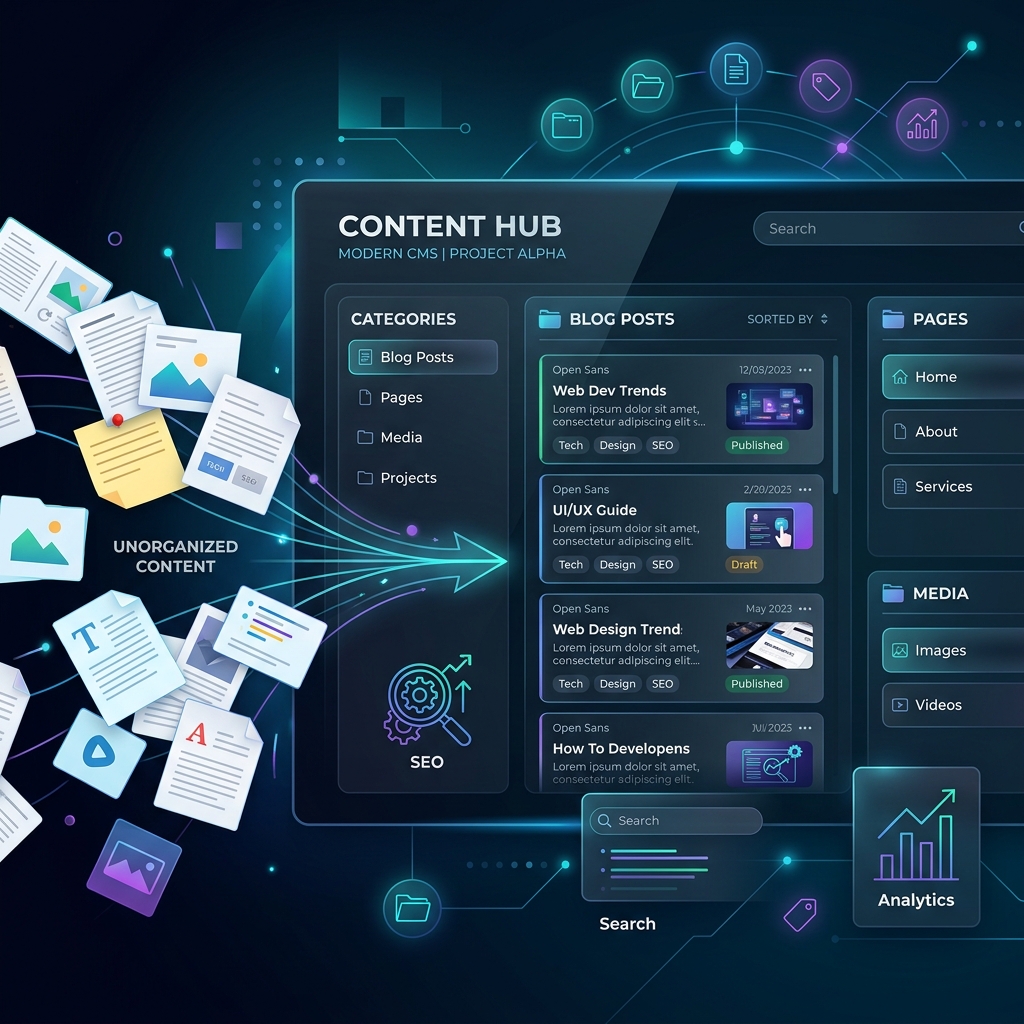
Have you ever clicked into a website’s archive section only to find a jumbled collection of articles with no clear topic or structure connecting them? That frustrating experience is exactly what happens when uncategorized BizWebGenius archives are left unmanaged. For website owners, bloggers, and digital marketers who rely on BizWebGenius — a platform focused on e-commerce strategies, SEO techniques, and web analytics — understanding how these archives work is critical for maintaining strong search visibility and a professional user experience. In this guide, you will learn what uncategorized archives are, why they exist, how they impact your site’s performance, and a proven step-by-step process to organize them effectively.
What Are Uncategorized BizWebGenius Archives?
Uncategorized BizWebGenius archives are collections of blog posts, articles, or web pages stored within the BizWebGenius content management system that have not been assigned to any specific category. In most CMS platforms — including WordPress, Joomla, and proprietary systems like BizWebGenius — every piece of published content is ideally grouped under a descriptive category such as “SEO Tips,” “E-commerce Guides,” or “Analytics Tutorials.”
When a content creator publishes a post without selecting a category, the system automatically places it into a default “Uncategorized” archive. Over time, this archive can accumulate dozens or even hundreds of unrelated posts, creating a disorganized section that serves neither visitors nor search engines effectively.
It is important to understand that uncategorized content is not an error — it is a default system behavior. The archive exists to ensure no content is lost during publishing. However, leaving content in this state for extended periods creates significant problems for site architecture, crawl efficiency, and topical authority.
Why Uncategorized Content Appears on BizWebGenius
There are several common reasons why posts end up in uncategorized archives:
- Missing metadata during publishing — Content creators forget to assign categories or tags before hitting the publish button, especially during fast-paced editorial workflows
- Bulk content migration — When transferring content between platforms or during website redesigns, category mappings often fail, leaving imported posts without proper classification
- Deleted or restructured categories — If existing categories are removed or renamed without reassigning the posts within them, those posts default back to the uncategorized section
- Temporary staging use — Some editorial teams intentionally use the uncategorized archive as a holding area for drafts, test posts, or content awaiting editorial review
- Automated content imports — RSS feeds, API integrations, or syndicated content pulled into BizWebGenius may lack category metadata entirely
Each of these scenarios is common in growing websites where content volume increases faster than organizational processes can keep up. Recognizing the root cause on your own site is the first step toward fixing the problem.
How Uncategorized Archives Impact SEO Performance
Search engines like Google rely heavily on structured content hierarchies to understand what a website is about. When a significant portion of your content sits in an uncategorized archive, it sends weak signals to search engine crawlers about your site’s topical focus.
Weakened Topical Authority
Google’s algorithms, including systems like Helpful Content Update and E-E-A-T (Experience, Expertise, Authoritativeness, Trustworthiness), reward websites that demonstrate deep, organized coverage of specific topics. Uncategorized content breaks this thematic structure and dilutes your site’s perceived expertise.
Wasted Crawl Budget
Search engine bots allocate limited time and resources to crawl each website. Unfocused archive pages with mixed, unrelated content consume crawl budget without delivering clear topical value — meaning your most important pages may get crawled less frequently.
Poor Internal Linking Structure
Properly categorized content creates natural internal linking opportunities. When posts are grouped under relevant categories, related articles link to each other organically, distributing PageRank and helping visitors discover more content. Uncategorized archives break these linking pathways entirely.
Lower Click-Through Rates
When uncategorized archive pages appear in search engine results pages (SERPs), they typically display vague or generic titles like “Uncategorized Archives — Page 1.” Users are far less likely to click on such results compared to well-titled, topic-specific category pages.
Step-by-Step Guide to Fix Uncategorized BizWebGenius Archives
Organizing your uncategorized archives does not require advanced technical skills. Follow this structured process to clean up your content and improve both SEO and user experience.
Step 1: Conduct a Full Content Audit
Start by reviewing every post currently sitting in the uncategorized archive. Create a spreadsheet listing each article’s title, publication date, word count, and primary topic. Tools like Google Search Console, Screaming Frog, or Ahrefs can help you identify which uncategorized URLs are indexed and receiving traffic.
Step 2: Define a Clear Category Taxonomy
Based on your audit findings, create a focused set of content categories that reflect your website’s core topics. For a BizWebGenius-powered site, logical categories might include:
- SEO Strategies
- E-commerce Best Practices
- Web Analytics Tutorials
- Content Marketing
- Digital Tools and Reviews
Keep your taxonomy concise — five to eight main categories is ideal for most websites. Overly granular categorization creates the same navigation confusion as having no categories at all.
Step 3: Reassign Posts to Proper Categories
Move each uncategorized post into the most relevant category. Prioritize high-traffic and recently published content first, as these have the most immediate impact on your site’s structure and SEO signals.
Step 4: Update Metadata and Internal Links
After reassigning categories, review each post’s title tag, meta description, and header structure. Ensure they accurately reflect the content and include relevant keywords. Add internal links to related articles within the same category to strengthen your topical clusters.
Step 5: Handle the Uncategorized Archive URL
Once all posts have been reassigned, your uncategorized archive page should be empty or nearly empty. At this point, you have three options:
- Apply a noindex tag — Prevent search engines from indexing the now-empty archive page
- Set up a 301 redirect — Redirect the uncategorized archive URL to your blog’s main page or most relevant category
- Rename the default category — In many CMS platforms, you can rename “Uncategorized” to something meaningful like “General” or “Latest Posts”
Step 6: Implement Editorial Workflow Rules
Prevent future accumulation by making category assignment a mandatory step in your publishing workflow. Many CMS platforms, including BizWebGenius, allow you to set up editorial checklists or require category selection before a post can be published.
Best Practices for Long-Term Archive Management
Maintaining clean archives is an ongoing process, not a one-time fix. Here are proven practices used by successful content teams:
- Schedule quarterly content audits to catch any posts that have slipped into the uncategorized section
- Use consistent naming conventions for categories and tags across all content
- Monitor Google Search Console for any uncategorized URLs that appear in your indexed pages report
- Create a content style guide that includes categorization rules for all contributors
- Leverage automation tools that auto-suggest categories based on keyword analysis during the drafting process
- Track engagement metrics like bounce rate, time on page, and pages per session on category archive pages to measure organizational improvements
Frequently Asked Questions (FAQ)
What are uncategorized BizWebGenius archives?
They are default archive pages within the BizWebGenius content management system that store blog posts or articles not assigned to any specific category. This typically happens when metadata is missing during publishing, when content is migrated between platforms, or when categories are deleted without reassigning the posts within them.
Do uncategorized archives affect my website’s SEO?
Yes, they can negatively impact your SEO in multiple ways. Uncategorized content weakens your site’s topical authority, wastes crawl budget, reduces internal linking effectiveness, and creates poor user navigation — all of which can lower your search engine rankings over time.
How do I fix uncategorized archives on BizWebGenius?
Start with a complete content audit of your uncategorized posts. Then create a focused category taxonomy, reassign all posts to relevant categories, update metadata and internal links, and handle the empty uncategorized archive URL by applying a noindex tag or 301 redirect.
Can uncategorized archives ever be useful?
In limited cases, yes. Some editorial teams use them as temporary staging areas for content under review. However, posts should never remain uncategorized for more than a few days. The goal is to assign every published post to a meaningful category as quickly as possible.
How often should I audit my site for uncategorized content?
For most websites, a quarterly content audit is sufficient to catch and fix any uncategorized posts. High-volume publishing sites with multiple contributors may benefit from monthly reviews or automated category assignment workflows.
Conclusion
Uncategorized BizWebGenius archives may seem like a minor housekeeping issue, but they can have a meaningful impact on your site’s SEO performance, user experience, and content discoverability. By conducting regular audits, building a clear category taxonomy, reassigning orphaned posts, and enforcing editorial discipline, you transform a cluttered archive into a well-structured content library that serves both your visitors and search engines. The key takeaway is simple: every piece of content on your website should have a home. Take the time to organize your uncategorized BizWebGenius archives today, and you will see measurable improvements in traffic, engagement, and search visibility over time.