Home & Garden 
Smart Indoor Garden System for Beginners
Find the best smart indoor garden system for beginners. Compare AeroGarden, Click and Grow, Gardyn, and more with prices, features, and growing tips.
What Is a Smart Indoor Garden System?
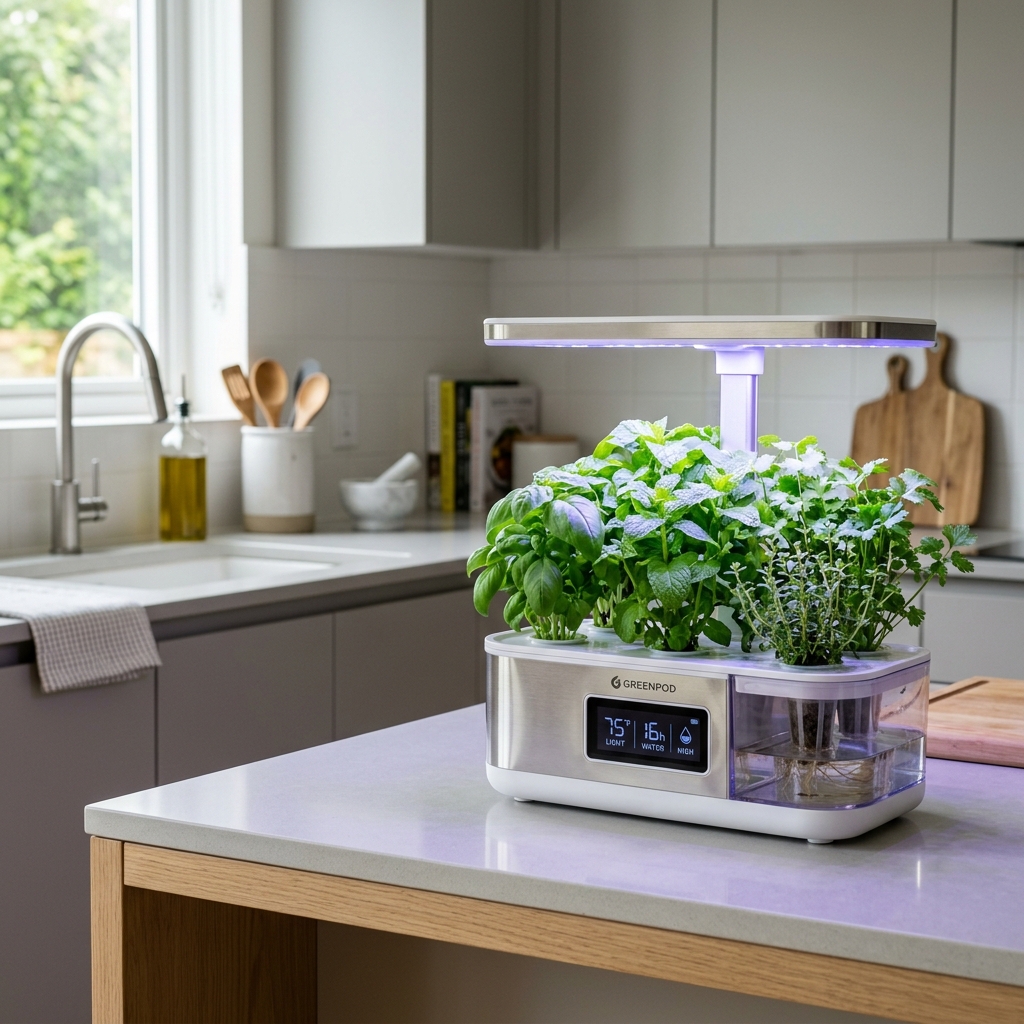
Imagine growing fresh basil, lettuce, and cherry tomatoes on your kitchen counter — year-round, with almost zero effort. That’s exactly what a smart indoor garden system for beginners makes possible. These compact, self-contained units combine automated watering, built-in LED grow lights, and sometimes even app-based controls to take the guesswork out of indoor gardening.
You don’t need soil experience, a green thumb, or even a sunny window. Smart gardens handle the three biggest challenges for new growers — light, water, and nutrients — so you can focus on harvesting instead of troubleshooting. Whether you want fresh herbs for cooking, crisp salad greens, or even small fruiting plants like peppers and tomatoes, there’s a system designed for your skill level and budget.
In this guide, we’ll compare the top smart indoor garden systems available today, break down how they work, and help you choose the right one.
How Smart Indoor Gardens Work
At their core, most smart garden systems use one of two growing methods: hydroponics or soil-based pod systems. Both eliminate the need for outdoor space and natural sunlight.
Key Components
- LED grow lights: Full-spectrum LEDs simulate sunlight and operate on automatic timers (typically 16 hours on, 8 hours off). They consume far less energy than traditional grow lamps.
- Water reservoir: A built-in tank delivers water to plant roots automatically. Most systems alert you when the reservoir needs refilling — some through an app notification, others with a simple indicator light.
- Seed pods: Pre-seeded, nutrient-enriched pods or cartridges that you drop into the unit. No measuring, no mixing, no mess.
- Nutrient solution: Hydroponic systems include liquid plant food that you add to the water on a set schedule.
- App control (select models): Higher-end systems connect via Wi-Fi and let you monitor growth stages, adjust light schedules, and receive care reminders from your phone. Some even support the Matter smart home protocol for integration with broader home automation setups.
Top Smart Indoor Garden Systems Compared
Choosing the right system depends on your space, budget, and how much you want to grow. Here’s a breakdown of the most popular options for beginners.
AeroGarden Series
AeroGarden is the most recognized name in smart indoor gardening, and for good reason. Their product line ranges from compact countertop units to large, multi-tier farm systems.
- AeroGarden Harvest: The entry-level model. Holds 6 seed pods with a maximum grow height of 12 inches. Simple one-button control panel with automatic LED lighting. Perfect for herbs and small greens. Priced around $90–$110.
- AeroGarden Bounty: Steps up to 9 pods with a 24-inch grow height and a touchscreen control panel with vacation mode. Ideal if you want to grow taller plants like cherry tomatoes. Typically $150–$180.
- AeroGarden Farm: The flagship. Available in 12-pod and 24-pod configurations with app connectivity via Wi-Fi. Grow height up to 36 inches. Designed for serious indoor growers. Priced at $250–$450 depending on configuration.
AeroGarden’s seed pod ecosystem is extensive — they offer over 70 varieties including herbs, salad greens, flowers, and even jalapeño peppers.
Click and Grow Smart Garden
Click and Grow takes a soil-based approach using proprietary “Smart Soil” technology that releases nutrients and regulates pH automatically.
- Smart Garden 3: A compact 3-pod unit perfect for windowsills and small counters. Minimal footprint, automatic watering and lighting. Around $60–$80.
- Smart Garden 9: Triples the capacity with 9 pods and a larger light hood. Great for families or anyone who wants variety. Typically $130–$160.
Click and Grow’s strength is simplicity. There’s no app, no Wi-Fi, no nutrient mixing — just drop in a pod and let the system handle everything. Their plant pod catalog includes over 75 varieties.
Gardyn Home Kit
Gardyn stands out with its AI-powered vertical design. Instead of a flat countertop layout, Gardyn uses a tall, freestanding column that holds up to 30 plants in a surprisingly small footprint.
- AI assistant (Kelby): Gardyn’s app includes an AI that monitors your plants via a built-in camera, identifies growth issues, and sends personalized care tips.
- Hybriponic technology: A combination of hydroponic and aeroponic growing methods for faster, healthier growth.
- Membership model: Gardyn operates on a subscription ($39/month) that includes the hardware, unlimited seed pods, and AI monitoring. You can also purchase the unit outright for around $350–$400.
This system is best for tech-savvy beginners who want a larger harvest and don’t mind a subscription model.
Rise Gardens
Rise Gardens offers modular, furniture-grade indoor garden systems designed for families and larger households.
- Personal Rise Garden: A single-tier countertop unit with 12-plant capacity. Around $250.
- Family Rise Garden: A two-tier or three-tier freestanding unit that can hold 36–64 plants. Priced at $500–$800.
Rise Gardens uses a soil-free hydroponic system with a real-time app for monitoring water levels, nutrient schedules, and plant health. The modular design lets you start small and add tiers as your confidence grows.
iDoo Hydroponics System
For budget-conscious beginners, the iDoo hydroponic garden system offers an impressive feature set at a fraction of the cost.
- 12-pod capacity with adjustable LED grow light height (up to 15 inches).
- Built-in fan for air circulation and stronger stem development.
- Water pump on an automatic cycle.
- Price: Typically $50–$80 on Amazon.
iDoo doesn’t have app connectivity or smart features, but for a straightforward, affordable entry into indoor gardening, it’s hard to beat.
Head-to-Head Comparison Table
| System | Price Range | Pod Capacity | Max Grow Height | App Control | Growing Method |
|---|---|---|---|---|---|
| AeroGarden Harvest | $90 – $110 | 6 pods | 12 inches | No | Hydroponic |
| AeroGarden Bounty | $150 – $180 | 9 pods | 24 inches | No | Hydroponic |
| AeroGarden Farm | $250 – $450 | 12 – 24 pods | 36 inches | Yes (Wi-Fi) | Hydroponic |
| Click and Grow 3 | $60 – $80 | 3 pods | 12 inches | No | Soil-based |
| Click and Grow 9 | $130 – $160 | 9 pods | 12 inches | No | Soil-based |
| Gardyn Home Kit | $350 – $400 | 30 pods | 5 feet (vertical) | Yes (AI + camera) | Hybriponic |
| Rise Personal | ~$250 | 12 pods | 18 inches | Yes | Hydroponic |
| Rise Family | $500 – $800 | 36 – 64 pods | 18 inches/tier | Yes | Hydroponic |
| iDoo 12-Pod | $50 – $80 | 12 pods | 15 inches | No | Hydroponic |
Hydroponics vs. Soil-Based Smart Gardens
One of the first decisions you’ll face is choosing between hydroponic and soil-based systems. Here’s how they differ:
Hydroponic Systems (AeroGarden, Gardyn, Rise, iDoo)
- Plants grow in water enriched with liquid nutrients — no soil involved.
- Faster growth: Plants typically grow 30–50% faster than soil-based methods.
- Higher yields: More direct nutrient access means bigger, more productive plants.
- Maintenance: Requires periodic water changes and nutrient refills. Some algae management may be needed.
- Learning curve: Slightly steeper for absolute beginners, but smart features offset this.
Soil-Based Systems (Click and Grow)
- Plants grow in proprietary soil pods that auto-regulate nutrients and pH.
- Simplest setup: Truly plug-and-play. No nutrient mixing or water monitoring required.
- Slower growth: Compared to hydroponics, growth is somewhat slower.
- Less mess: Soil pods are self-contained and tidy.
- Best for: People who want the absolute lowest-maintenance option.
For most beginners, either approach works well. If you want speed and scale, go hydroponic. If you want simplicity above all, Click and Grow’s soil-based approach is the easiest starting point.
What Can You Grow in a Smart Indoor Garden?
The variety of plants you can grow indoors with these systems is broader than most people expect:
- Herbs: Basil, thyme, parsley, cilantro, dill, mint, oregano, chives, and rosemary.
- Salad greens: Lettuce (romaine, butterhead, loose-leaf), arugula, kale, and spinach.
- Fruiting plants: Cherry tomatoes, hot peppers, jalapeños, and even small strawberries (in taller systems like AeroGarden Bounty or Farm).
- Flowers: Petunias, lavender, snapdragons, and marigolds — useful for pollinator-friendly indoor gardens or simply for aesthetics.
Growth timelines vary, but most herbs are harvest-ready within 3–4 weeks. Lettuce takes about 4–5 weeks. Tomatoes and peppers need 8–12 weeks to fruit.
Maintenance Requirements and Ongoing Costs
Smart gardens are low-maintenance, but they’re not zero-maintenance. Here’s what to expect:
Regular Tasks
- Refill water reservoir: Every 1–2 weeks depending on plant count and system size.
- Add liquid nutrients: Hydroponic systems need nutrient top-ups every 2 weeks.
- Prune and harvest: Regular trimming encourages bushier, more productive growth.
- Replace seed pods: Each pod cycle lasts 3–6 months depending on the plant type.
- Clean the system: Between pod cycles, clean the reservoir and pump to prevent mineral buildup and algae.
Ongoing Costs
| Cost Item | Estimated Price | Frequency |
|---|---|---|
| Seed pod refills (3-pack) | $5 – $18 | Every 3–6 months |
| Liquid plant food | $8 – $15 | Every 3–4 months |
| Replacement sponges/baskets | $5 – $10 | As needed |
| Gardyn membership (if applicable) | $39/month | Monthly |
Most growers spend $5–$15 per month on consumables (excluding Gardyn’s subscription model). Over a year, that’s far less than buying equivalent fresh organic herbs and greens from a grocery store.
Energy Consumption Considerations
LED grow lights run 14–16 hours per day, which raises a fair question: how much will this add to your electric bill?
The answer is surprisingly little. Most countertop smart gardens use 20–45 watts — comparable to a standard light bulb. At average U.S. electricity rates, that translates to roughly $2–$5 per month in energy costs. Even larger systems like the AeroGarden Farm or Rise Family Garden typically stay under $8/month.
For context, a single 60-watt incandescent bulb running the same hours would cost more. Modern full-spectrum LED grow lights are remarkably energy-efficient, and their lifespan often exceeds 20,000 hours before needing replacement.
How to Choose Your First Smart Garden
If you’re feeling overwhelmed by the options, use this quick decision framework:
- Tightest budget? Go with the iDoo 12-Pod ($50–$80). Maximum pods for minimum cost.
- Want the simplest experience? Choose the Click and Grow Smart Garden 3 ($60–$80). Drop in a pod and forget about it.
- Want a balance of features and value? The AeroGarden Bounty ($150–$180) is the sweet spot — 9 pods, 24-inch grow height, and reliable performance.
- Tech enthusiast? The Gardyn Home Kit ($350+) with AI monitoring and 30-pod capacity is the most advanced option.
- Feeding a family? The Rise Family Garden ($500–$800) offers modular multi-tier capacity for large-scale indoor growing.
Start with herbs you actually use in your cooking. Basil, parsley, and chives are the easiest first crops and germinate quickly, giving you a confidence-boosting early harvest.
Frequently Asked Questions
Are smart indoor gardens worth the investment for beginners?
Yes, especially if you regularly buy fresh herbs and salad greens. A single AeroGarden Harvest can produce the equivalent of $15–$20 worth of store-bought herbs per month. Most systems pay for themselves within 4–6 months of regular use, while also delivering fresher, pesticide-free produce.
How much electricity does a smart garden use?
Most countertop systems consume 20–45 watts, costing roughly $2–$5 per month in electricity. Even larger multi-tier systems rarely exceed $8/month. The LED grow lights are designed for energy efficiency and typically last over 20,000 hours.
Can I use my own seeds instead of brand-specific pods?
Many systems including AeroGarden and iDoo offer grow-anything kits or blank pods that let you plant your own seeds. Click and Grow also sells empty pods. Using your own seeds significantly reduces ongoing costs and gives you access to a wider variety of plants.
Do smart gardens attract bugs or create mess indoors?
Indoor hydroponic systems are far less prone to pests than soil-based outdoor gardens since there’s no soil for insects to inhabit. Soil-based systems like Click and Grow occasionally attract small fungus gnats, but this is easily managed with sticky traps. Overall, smart gardens are clean, contained, and low-mess.
What’s the difference between AeroGarden and Click and Grow?
AeroGarden uses hydroponics (water-based growing with liquid nutrients) and offers larger models with more advanced features. Click and Grow uses proprietary smart soil pods for an even simpler experience but slower growth. AeroGarden is better for variety and scale, while Click and Grow wins on pure simplicity.
Start Growing Smarter Today
A smart indoor garden system removes every traditional barrier to growing your own food — limited space, bad weather, no gardening experience, and even forgetfulness. Whether you start with a $50 iDoo unit or a fully connected Gardyn system, you’ll be eating home-grown herbs and greens within weeks.
Pick the system that matches your budget and counter space, drop in your first seed pods, and let the technology handle the rest. Indoor gardening has never been this accessible, and once you taste basil you grew yourself, there’s no going back to the grocery store stuff.