Home & Garden 
Vertical Herb Garden Ideas for Apartments
Discover creative vertical herb garden ideas for apartments. Save space, grow fresh herbs, and transform your balcony or kitchen with these easy DIY setups.
Why Every Apartment Dweller Needs a Vertical Herb Garden
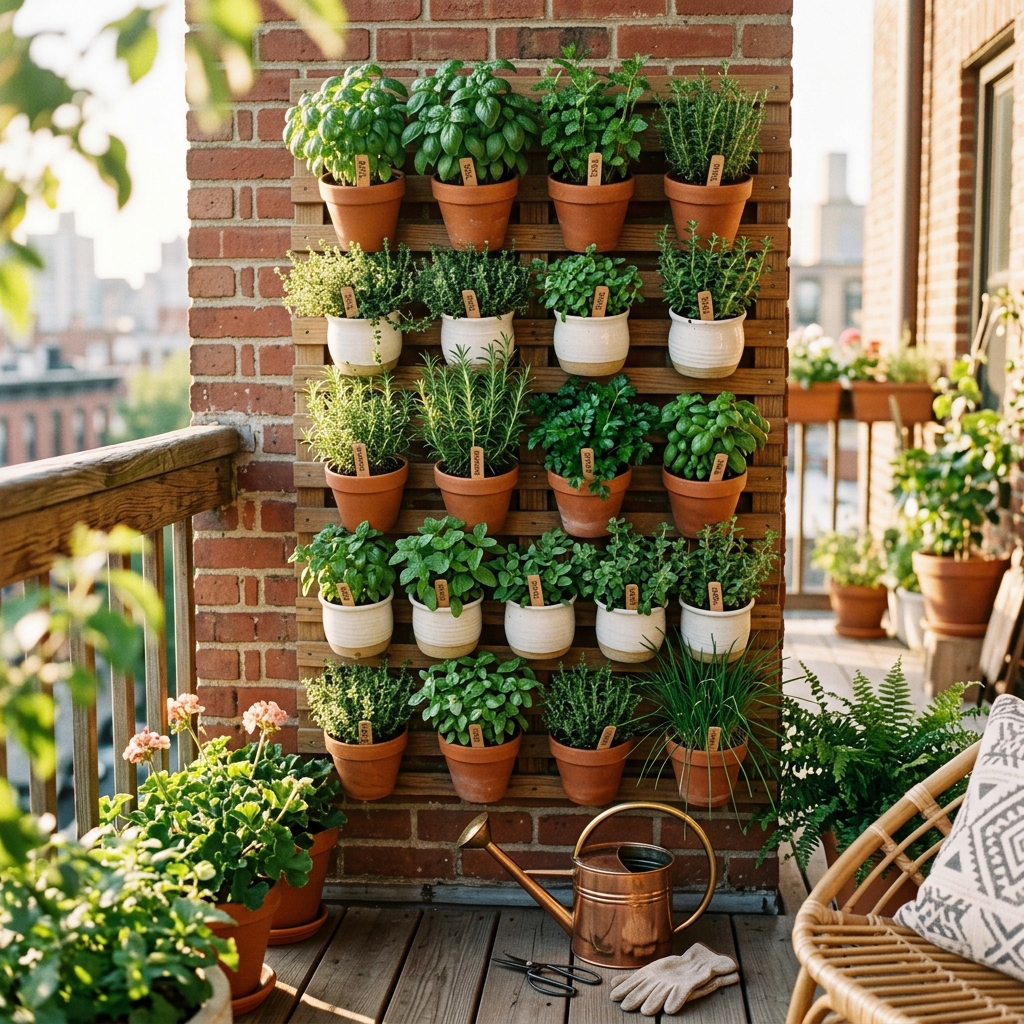
Living in an apartment doesn’t mean you have to give up on growing fresh herbs. Vertical herb garden ideas for apartments are changing how urban dwellers think about gardening, and for good reason. Instead of spreading pots across your already-limited counter space, you grow upward — turning blank walls, railings, and forgotten corners into productive green spaces.
Fresh basil for your pasta. Snipped chives on your morning eggs. A sprig of rosemary for roasted potatoes. When your herbs are just an arm’s reach away, cooking becomes more flavorful and more fun. The best part? You don’t need a backyard, a big budget, or even a drill to get started.
In this guide, we’ll walk through the most practical and creative vertical herb garden setups — from ultra-budget shoe organizer walls to sleek stackable tower systems — so you can find the perfect match for your apartment.
Why Vertical Gardens Are Perfect for Small Spaces
Traditional container gardening eats up precious floor space. A vertical garden flips the script by using wall space, railings, and vertical structures that would otherwise sit empty. Here’s why apartment renters love them:
- Space efficiency: A 2×3-foot wall section can hold 12–15 herb pots that would otherwise need an entire tabletop.
- Better air circulation: Herbs arranged vertically get more airflow, which reduces mold and fungal issues common in cramped indoor setups.
- Aesthetic appeal: A living herb wall doubles as décor — it’s functional art.
- Easier pest management: Elevated plants are less accessible to soil-dwelling pests.
- Rent-friendly options exist: Many vertical systems use tension rods, over-the-door hooks, or freestanding frames — no drilling required.
Whether you have a sunny balcony, a bright kitchen window, or just a south-facing wall, there’s a vertical solution that works.
DIY Pallet Herb Garden (Step-by-Step)
Wooden pallet gardens are one of the most popular vertical herb garden projects on Pinterest and for good reason. They’re affordable, rustic-looking, and surprisingly easy to build.
What You’ll Need
| Material | Estimated Cost |
|---|---|
| Wooden pallet (heat-treated, look for “HT” stamp) | Free – $15 |
| Landscaping fabric | $5 – $10 |
| Staple gun and staples | $10 – $15 |
| Potting mix (organic, well-draining) | $8 – $12 |
| Herb seedlings or starter plants | $15 – $25 |
Step-by-Step Instructions
- Source a safe pallet. Look for pallets stamped “HT” (heat-treated). Avoid “MB” (methyl bromide treated) — those contain harmful chemicals. Check with local hardware stores, garden centers, or community boards for free pallets.
- Sand the wood. Remove splinters and rough edges with medium-grit sandpaper. Optionally, apply a food-safe wood sealant.
- Attach landscaping fabric. Staple the fabric across the back and bottom of the pallet to create planting pockets. Double up the fabric for durability.
- Fill with potting mix. Use a lightweight, well-draining mix. Avoid heavy garden soil — it compacts and drains poorly in vertical setups.
- Plant your herbs. Tuck seedlings into the gaps between slats. Start with the pallet lying flat for a week so roots can establish before you prop it upright.
- Lean or mount. Prop the pallet against a balcony wall or use L-brackets to secure it. For rent-friendly setups, simply lean it at a slight angle against a sturdy surface.
Pro tip: Line the back with a plastic sheet behind the fabric to protect apartment walls from moisture.
Shoe Organizer Living Walls (Ultra-Budget Option)
This might be the easiest vertical herb garden you’ll ever build. A hanging fabric shoe organizer — the kind you’d find at IKEA, Amazon, or any dollar store — makes a surprisingly effective planter.
How to Set It Up
- Hang a clear-pocket shoe organizer on an over-the-door hook or a tension rod near a sunny window.
- Poke 2–3 small drainage holes in the bottom of each pocket.
- Fill pockets with lightweight potting mix.
- Plant one herb per pocket.
- Water gently — these pockets dry out faster than traditional pots.
Why It Works
- Cost: Under $10 for the entire setup.
- No drilling: Over-the-door hooks or adhesive hooks handle the weight easily.
- Visibility: Clear pockets let you monitor root health and soil moisture.
- Portability: Move the entire garden when you rearrange or relocate.
This method is ideal for renters who want zero commitment. When you move out, just take it down — no patching needed.
Railing and Hanging Planters
If your apartment has a balcony, you’re sitting on prime herb garden real estate. Railing planters clip directly onto balcony rails without screws, and hanging planters suspend from hooks or ceiling-mounted brackets.
Best Options
- Railing planters: Look for adjustable-width models that fit standard 2–4 inch railings. Brands available at Home Depot and Amazon offer rust-resistant powder-coated steel options.
- Macramé hangers: Trendy and functional — hang lightweight pots at different heights for a cascading effect.
- Tiered hanging baskets: Three-tier wire baskets let you stack herbs vertically from a single hook point.
Tips for Success
- Use pots with built-in saucers to prevent dripping onto neighbors below.
- Secure lightweight pots with zip ties in windy locations.
- Group herbs with similar water needs together (rosemary and thyme like it drier; basil and cilantro prefer consistent moisture).
Ladder and Shelf Vertical Setups
A leaning ladder shelf is one of the most rent-friendly vertical garden solutions available. No mounting, no drilling — just lean and plant.
Options to Consider
- A-frame plant ladders: Open on both sides, these work beautifully near sliding glass doors where light comes from multiple angles.
- Leaning bookshelves repurposed as plant stands: A narrow 5-tier shelf from IKEA (like the LERBERG or VESKEN) can hold 10–15 small herb pots.
- Step ladder conversions: An old wooden step ladder with planks across the rungs creates a charming rustic display.
Place trays or waterproof liners on each shelf level to protect the surface beneath. Position the setup near your brightest window — most herbs need at least 4 to 6 hours of direct sunlight daily.
Stackable Tower Systems
For a more modern and self-contained approach, stackable tower gardens are an excellent choice. These modular systems from retailers like Amazon, Home Depot, and Gardeners Supply Company come in various sizes and styles.
Popular Tower Options
| Feature | Basic Stackable Pot | Self-Watering Tower | Hydroponic Tower |
|---|---|---|---|
| Price Range | $15 – $30 | $40 – $80 | $80 – $200 |
| Plant Capacity | 8 – 12 herbs | 15 – 20 herbs | 20 – 30 herbs |
| Watering | Manual | Reservoir-based | Pump-circulated |
| Best For | Beginners | Busy schedules | Serious growers |
Tower systems are excellent because they have a small footprint — typically just 12–18 inches in diameter — while holding a dozen or more plants. Self-watering models are particularly useful if you travel frequently or tend to forget watering day.
Best Herbs for Vertical Gardens
Not every herb thrives in a vertical setup. The best choices are compact, relatively lightweight, and don’t need excessively deep root space. Here are the top performers:
- Basil — The classic kitchen herb. Loves warmth and full sun. Pinch flower buds to keep it bushy.
- Thyme — Compact, drought-tolerant, and perfect for upper pockets where soil dries faster.
- Chives — Low maintenance and upright growth habit. Great for small pots.
- Parsley — Both flat-leaf and curly varieties do well. Moderate water needs.
- Oregano — Trailing habit makes it beautiful in hanging setups.
- Cilantro — Prefers cooler spots. Bolts quickly in heat, so plant successionally.
- Rosemary — Woody and drought-tolerant, but needs excellent drainage.
- Sage — Compact varieties like ‘Berggarten’ are ideal for vertical pots.
The Mint Warning
Mint deserves a special mention — and a special pot. Mint is aggressively invasive. If planted alongside other herbs, it will take over the entire planter within weeks. Always give mint its own isolated container with no shared root space. A separate hanging pot or a dedicated shoe organizer pocket works perfectly.
Essential Care Tips for Vertical Herb Gardens
Growing vertically introduces a few unique challenges. Keep these care tips in mind to ensure your herbs stay healthy and productive.
Sunlight Requirements
Most culinary herbs require 4 to 6 hours of direct sunlight per day. South-facing and west-facing windows or balconies are ideal. If natural light is limited, supplement with an affordable LED grow light — clamp-on models start around $15 and fit easily onto shelves.
Drainage Is Non-Negotiable
Vertical setups are prone to two extremes: waterlogging at the bottom and dry-out at the top. To prevent problems:
- Always use pots with drainage holes.
- Add a layer of perlite or small gravel at the bottom of each pot.
- Use a well-draining potting mix — look for blends labeled for containers or raised beds. Avoid dense garden soil.
- If using a pallet or pocket system, ensure water can flow through without pooling.
Potting Mix Advice
Standard garden soil is too heavy for vertical gardens. Instead, use a lightweight potting mix that contains peat moss or coconut coir, perlite, and vermiculite. These components ensure proper moisture retention without compacting. Many gardeners add a slow-release organic fertilizer at planting time and then supplement with liquid fertilizer every 2–3 weeks during the growing season.
Self-Watering Systems
If consistent watering is a challenge, consider these options:
- Self-watering planters with built-in reservoirs (available at Amazon and Gardeners Supply Company).
- Drip irrigation kits designed for vertical gardens — gravity-fed systems start at the top and water trickles down.
- Watering globes or spikes for individual pots that release water slowly over several days.
Rent-Friendly Options (No Drilling Required)
One of the biggest concerns for apartment renters is wall damage. The good news is that most vertical herb garden ideas require zero drilling:
- Over-the-door hooks for shoe organizer planters.
- Tension rods wedged between walls for hanging lightweight pots.
- Command strips and adhesive hooks (rated for the appropriate weight) for small-mounted planters.
- Freestanding shelves and ladders that lean against walls.
- Railing-clip planters that grip balcony rails without hardware.
- Magnetic planters for refrigerator-side herb gardens (small herbs like chives and thyme only).
When you move out, everything comes with you — no spackle, no lost security deposit.
Frequently Asked Questions
What herbs grow best in a vertical garden?
Basil, thyme, chives, parsley, oregano, and sage are the top performers in vertical setups. They’re compact, lightweight, and adapt well to the shallower soil depth of wall-mounted or pocket planters. Rosemary and cilantro also work well with proper drainage and appropriate light exposure.
How much sunlight does an apartment herb garden need?
Most culinary herbs require a minimum of 4 to 6 hours of direct sunlight daily. South-facing and west-facing windows provide the best natural light for indoor vertical gardens. If your apartment gets limited sunlight, consider adding an LED grow light to supplement — they’re energy-efficient and widely available at Home Depot and Amazon.
Can I build a vertical herb garden without drilling into walls?
Absolutely. Rent-friendly options include freestanding ladder shelves, over-the-door hook planters, tension rod setups, adhesive-mounted planters, and railing-clip pots for balconies. These solutions require no tools, no holes, and no landlord permission.
How often should I water herbs in a vertical garden?
Vertical gardens tend to dry out faster than traditional pots because of increased air exposure. Check soil moisture daily by pressing your finger about an inch into the soil. Most herbs prefer soil that’s consistently moist but never soggy. Top pockets and pots typically dry out faster than lower ones, so water those first and adjust accordingly.
Is mint safe to plant with other herbs in a vertical garden?
Mint is an aggressive spreader and should always be planted in its own separate container. If grown alongside other herbs in a shared planter, mint’s runners will crowd out neighboring plants within weeks. Give it a dedicated pot or an isolated pocket in your vertical setup.
Start Growing Upward Today
A vertical herb garden is one of the simplest upgrades you can make to your apartment kitchen or balcony. Whether you go the ultra-budget route with a shoe organizer wall or invest in a sleek stackable tower system, you’ll enjoy fresh herbs within weeks of planting.
Start small — pick three or four herbs you actually cook with, find the sunniest spot in your apartment, and choose a vertical setup that fits your budget and lease terms. Fresh, home-grown flavor is closer than you think, and you don’t need a single square foot of yard space to make it happen.