News 
Hantavirus Cruise Ship Outbreak 2026: What to Know
The 2026 hantavirus outbreak on cruise ship MV Hondius has killed 3. Learn about the Andes virus, symptoms, and what WHO and CDC say about the risk.
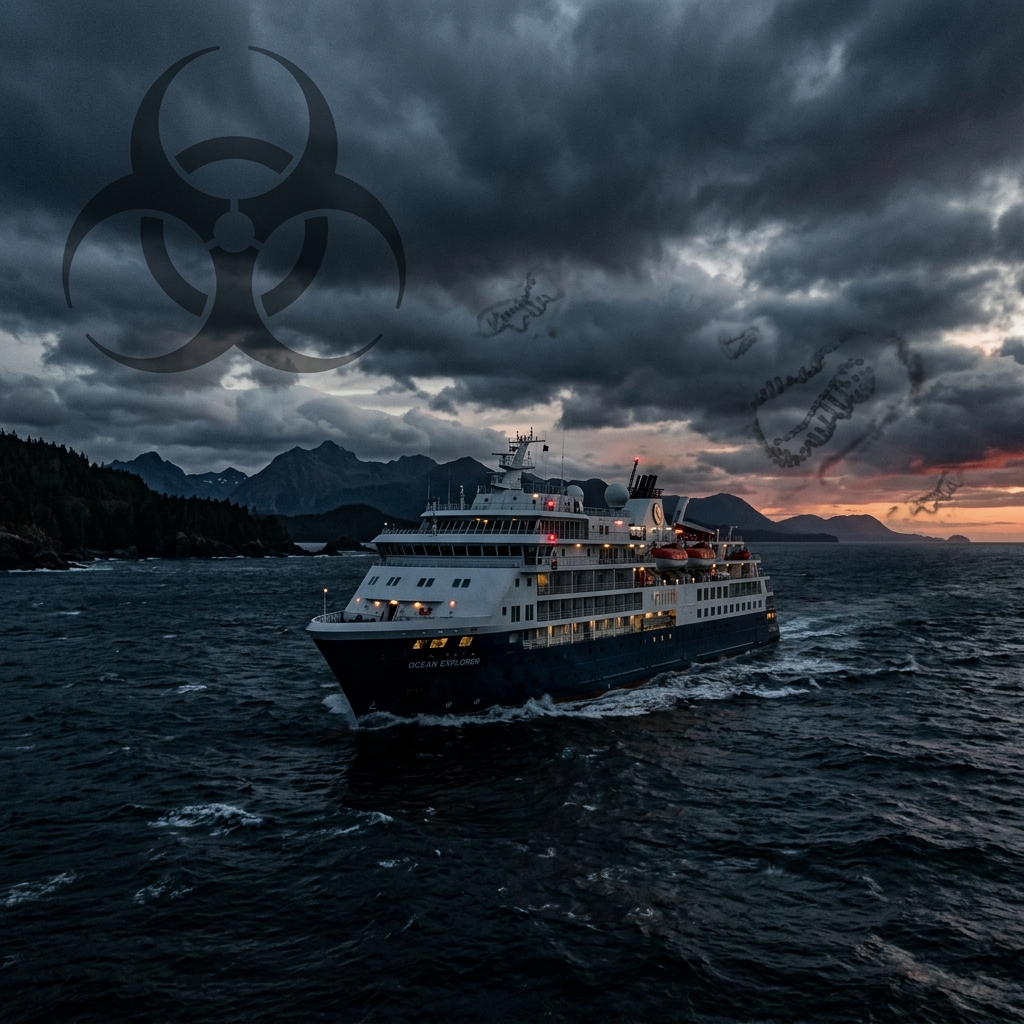
Hantavirus Outbreak on MV Hondius: What Happened?
A rare and deadly virus has turned a transatlantic cruise voyage into an international health emergency. The 2026 hantavirus cruise ship outbreak aboard the MV Hondius has now resulted in 3 deaths and 11 total cases (confirmed and probable) as of May 19, 2026 — making it one of the most unusual infectious disease events in modern cruise industry history.
The MV Hondius, a Dutch-flagged expedition cruise ship, departed Ushuaia, Argentina on April 1, 2026, bound for a transatlantic crossing. What was supposed to be a once-in-a-lifetime voyage through some of the world’s most remote waters quickly became a nightmare when passengers and crew began falling ill with symptoms of Andes virus — the only known hantavirus capable of spreading from person to person.
Both the World Health Organization (WHO) and the Centers for Disease Control and Prevention (CDC) are actively monitoring the situation, though both agencies have assessed the risk to the general public as very low. Here’s everything you need to know about this developing story.
Timeline of the MV Hondius Outbreak
Understanding the sequence of events is critical to grasping how this outbreak unfolded across two continents and multiple weeks at sea.
| Date | Event |
|---|---|
| April 1, 2026 | MV Hondius departs Ushuaia, Argentina for transatlantic voyage |
| Mid-April 2026 | First passengers report flu-like symptoms onboard |
| Late April 2026 | Ship medical staff suspect atypical respiratory illness; samples collected |
| Early May 2026 | Laboratory results confirm Andes virus (hantavirus) in multiple patients |
| May 10, 2026 | Ship arrives in Tenerife, Canary Islands; passengers disembark under health protocols |
| May 18, 2026 | MV Hondius arrives in Rotterdam, Netherlands for crew isolation and decontamination |
| May 19, 2026 | Case count stands at 11 (confirmed and probable), with 3 deaths |
The ship’s journey from the southern tip of Argentina across the Atlantic to the Canary Islands and then to Rotterdam in the Netherlands created a complex, multi-country public health response involving authorities in at least four nations.
What Is Hantavirus?
To understand why this outbreak is so alarming, it helps to know what hantavirus is and why the specific strain involved — Andes virus — is uniquely dangerous.
The Basics
Hantaviruses are a family of viruses carried primarily by rodents. Different rodent species carry different hantavirus strains, and humans typically become infected through:
- Inhaling aerosolized particles from rodent urine, droppings, or nesting materials
- Direct contact with rodent excretions
- Rodent bites (rare but documented)
Hantavirus infections can cause two serious conditions:
- Hantavirus Pulmonary Syndrome (HPS) — most common in the Americas, with a fatality rate of roughly 38%
- Hemorrhagic Fever with Renal Syndrome (HFRS) — more common in Europe and Asia
There is currently no vaccine and no specific antiviral treatment for hantavirus. Care is supportive, focusing on managing symptoms, maintaining oxygen levels, and providing intensive care when needed.
What Makes Andes Virus Different?
The Andes virus (also called Andes orthohantavirus) is the strain responsible for the MV Hondius outbreak — and it stands apart from every other known hantavirus for one critical reason: it is the only hantavirus confirmed to spread through human-to-human transmission.
Most hantaviruses are dead-end infections in humans, meaning a person can catch the virus from a rodent but cannot pass it to another person. Andes virus breaks this rule. Studies from outbreaks in Argentina and Chile dating back to the late 1990s documented clear chains of person-to-person transmission, particularly among close contacts and healthcare workers.
This human-to-human transmission capability is exactly what made the confined environment of a cruise ship so dangerous. Shared dining areas, narrow corridors, recirculated air, and communal spaces created conditions where the virus could spread among passengers and crew once introduced.
How Did Hantavirus Get on a Cruise Ship?
The exact source of the initial infection aboard the MV Hondius is still under investigation. However, health authorities have outlined several plausible scenarios:
- Rodent exposure in Ushuaia or during shore excursions — The ship departed from Ushuaia, a port city in Tierra del Fuego, Argentina. The surrounding Patagonian region is a known habitat for the long-tailed pygmy rice rat (Oligoryzomys longicaudatus), the primary reservoir for Andes virus. Passengers or crew may have been exposed during pre-departure excursions or while supplies were loaded.
- Rodent presence on the vessel — Although modern expedition ships maintain strict pest control protocols, rodents can board vessels through cargo, provisions, or mooring lines. If an infected rodent was present onboard, contaminated materials could have exposed early cases.
- Pre-boarding infection — It’s possible that one or more passengers or crew members were already incubating the virus before boarding. The incubation period for hantavirus can range from one to eight weeks, meaning someone exposed in mainland Argentina could have boarded feeling perfectly healthy and developed symptoms days or weeks later at sea.
Once the first human case occurred on the ship, the Andes virus’s unique ability to spread person-to-person likely drove the subsequent infections.
Symptoms of Hantavirus Infection
Recognizing hantavirus symptoms early is critical because the disease can progress rapidly from mild illness to life-threatening respiratory failure.
Early Symptoms (1–5 Days)
- Fever and chills
- Severe muscle aches, especially in the thighs, hips, and back
- Fatigue and general malaise
- Headaches and dizziness
- Nausea, vomiting, diarrhea, and abdominal pain
Late Symptoms (4–10 Days After Onset)
- Coughing and shortness of breath — This is the hallmark of Hantavirus Pulmonary Syndrome as the lungs fill with fluid.
- Rapid heart rate
- Dropping blood pressure
- Organ failure in severe cases
The transition from early to late symptoms can happen very suddenly — sometimes within 24 hours. This rapid deterioration is why hantavirus has such a high fatality rate and why the three deaths aboard the MV Hondius likely occurred during the acute pulmonary phase.
International Health Response
The MV Hondius outbreak triggered a coordinated international response involving multiple countries and global health agencies.
Tenerife, Canary Islands (May 10)
When the ship arrived in Tenerife on May 10, 2026, Spanish health authorities implemented strict disembarkation protocols. Passengers were screened for symptoms, and those showing signs of illness were isolated in local medical facilities. Healthy passengers were cleared to travel home but were advised to self-monitor for symptoms for 35 days — the maximum known incubation period for Andes virus — and to contact local health authorities immediately if symptoms developed.
Rotterdam, Netherlands (May 18)
The MV Hondius continued to Rotterdam, arriving on May 18 with remaining crew members aboard. Dutch public health authorities — coordinated through the RIVM (National Institute for Public Health and the Environment) — took over management of the ship. Crew members entered monitored isolation, and the vessel underwent thorough decontamination procedures.
WHO and CDC Involvement
The World Health Organization has been tracking the outbreak since early May and issued a Disease Outbreak News report. The WHO assessed the overall risk to the general public as very low, noting that the outbreak was contained to the ship environment and that all known contacts were being monitored.
The CDC issued a Health Alert Network (HAN) notice advising U.S. clinicians to be aware of the outbreak and to consider hantavirus in the differential diagnosis for any patients presenting with febrile respiratory illness who were passengers on the MV Hondius or had close contact with confirmed cases. The CDC also reinforced that no cases of Andes virus have been reported in the United States in connection with this outbreak.
Risk to the General Public
Both the WHO and CDC have been clear: the risk to the general public from this outbreak is very low. Here’s why:
- All confirmed and probable cases are linked directly to the MV Hondius.
- Passengers who disembarked in Tenerife are under health surveillance.
- Crew members in Rotterdam are in monitored isolation.
- Andes virus, while capable of human-to-human spread, requires close and prolonged contact — it does not spread easily in casual community settings.
- Hantaviruses do not spread through airborne transmission over long distances like measles or COVID-19.
That said, health authorities have urged anyone who was aboard the MV Hondius, or who has had close contact with someone who was, to remain vigilant for symptoms through at least early June 2026.
How to Prevent Hantavirus Infection
While the cruise ship outbreak is an unusual event, hantavirus prevention is relevant for anyone who lives in or visits areas where rodent-borne hantaviruses are present.
General Prevention Tips
- Seal entry points in homes, cabins, and buildings to prevent rodent access.
- Store food securely in rodent-proof containers.
- Clean up rodent droppings carefully — wet the area with a bleach solution before sweeping or vacuuming to avoid aerosolizing the virus.
- Avoid disturbing rodent nests in sheds, garages, or rural structures.
- Use proper ventilation when entering closed spaces that may harbor rodent activity.
For Travelers
- Research destination health advisories before booking adventure or expedition cruises to remote regions.
- Choose cruise operators with transparent health and safety protocols.
- Carry a basic health kit and know the symptoms of region-specific diseases.
- Follow all disembarkation health screening procedures.
Frequently Asked Questions
Can hantavirus spread from person to person?
Most hantaviruses cannot spread between humans. However, the Andes virus — the strain involved in the MV Hondius outbreak — is the sole exception. It is the only known hantavirus with documented human-to-human transmission, typically through close and prolonged contact with an infected person. This unique characteristic is what made the cruise ship environment particularly concerning.
Is it safe to go on a cruise right now?
Yes, for the vast majority of travelers, cruising remains safe. The MV Hondius outbreak is an isolated event linked to a specific expedition voyage departing from a region where Andes virus is endemic in rodent populations. Major cruise lines operating in the Caribbean, Mediterranean, and other popular routes are not affected. Always check the CDC’s cruise ship health inspection scores and travel advisories before booking.
What is the fatality rate of hantavirus?
The fatality rate varies by strain and syndrome. Hantavirus Pulmonary Syndrome (HPS), caused by strains like Andes virus and Sin Nombre virus, has a fatality rate of approximately 38% according to the CDC. Hemorrhagic Fever with Renal Syndrome (HFRS), more common in Asia and Europe, has a lower fatality rate of 1–15% depending on the specific virus.
Is there a vaccine for hantavirus?
As of May 2026, there is no FDA-approved vaccine for any hantavirus, including Andes virus. Several vaccine candidates are in various stages of research and clinical trials, but none are commercially available. Treatment remains supportive, with early hospitalization and intensive care significantly improving survival rates.
How long is the incubation period for hantavirus?
The incubation period for hantavirus — the time between exposure and the onset of symptoms — typically ranges from one to five weeks, though cases with incubation periods of up to eight weeks have been documented. This long and variable incubation period is why health authorities advised MV Hondius passengers to self-monitor for symptoms for at least 35 days after disembarkation.
What Comes Next
The hantavirus cruise ship outbreak of 2026 is a stark reminder that infectious diseases can emerge in the most unexpected settings. The MV Hondius case will likely reshape how expedition cruise operators approach health screening, pest control, and itinerary risk assessments — especially for voyages departing from regions with known zoonotic disease risks.
For now, the situation appears to be contained. The WHO and CDC continue to monitor developments, and all known contacts are under surveillance. If you or someone you know was aboard the MV Hondius, follow your local health authority’s guidance and seek medical attention immediately if symptoms develop. For everyone else, this outbreak is a reminder to stay informed, travel prepared, and take infectious disease risks seriously — even on vacation.