News 
What Is Dynamic Pricing in Grocery Stores? 2026 Guide
What is dynamic pricing in grocery stores? Learn how ESLs change prices in real time, why Maryland banned it, and what shoppers need to know in 2026.
What Is Dynamic Pricing and Why Are Grocery Stores Using It?
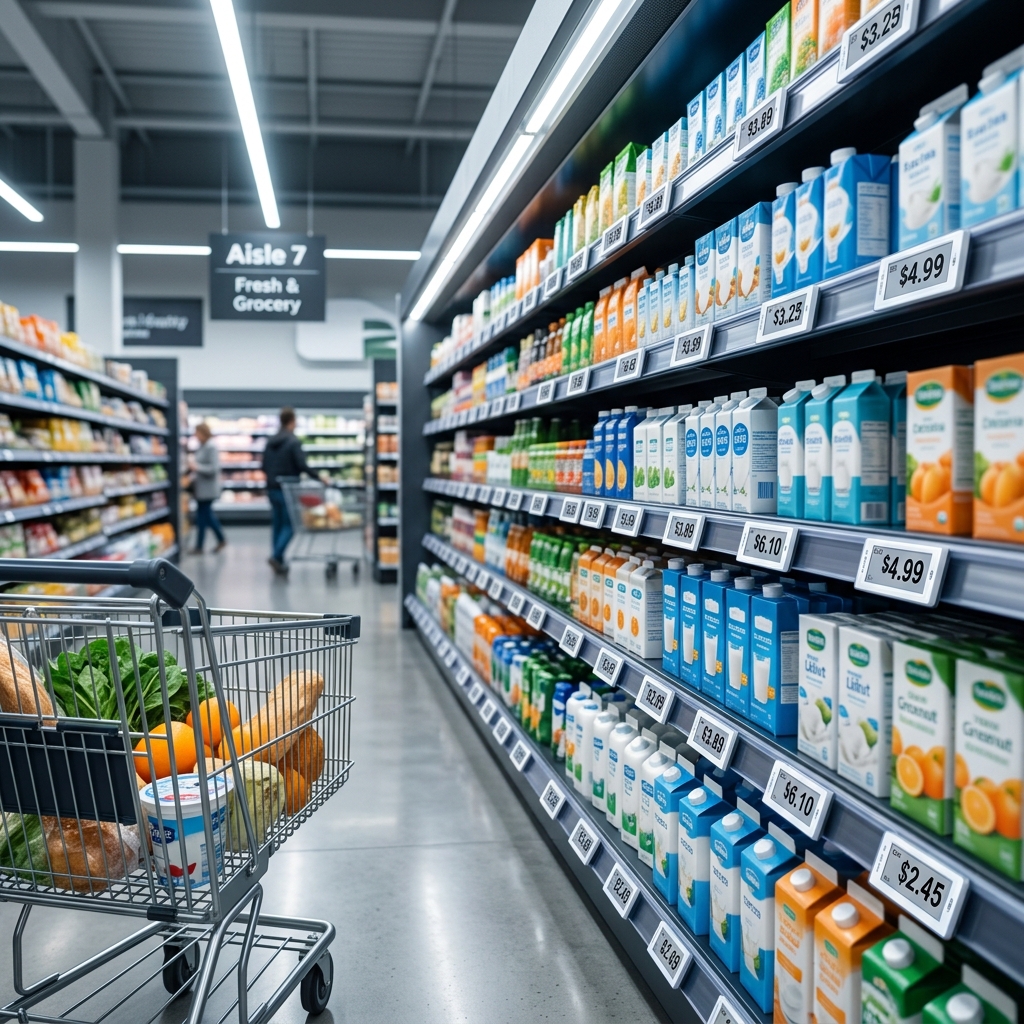
Have you ever noticed a flight ticket price change three times in a single afternoon? That same pricing strategy is now showing up in your local grocery store — and it’s sparking a nationwide debate. Dynamic pricing in grocery stores refers to the practice of adjusting the price of products in real time based on factors like demand, time of day, inventory levels, and even individual shopper data.
Unlike the static paper tags you’ve relied on for decades, dynamic pricing is powered by Electronic Shelf Labels (ESLs) — small digital screens mounted on store shelves that can update prices wirelessly within seconds. Major retailers like Kroger, Walmart, and Amazon Fresh have already begun testing or deploying ESL technology across hundreds of locations. What was once limited to airlines, hotels, and ride-sharing apps like Uber is now arriving at the bread aisle — and lawmakers are starting to push back hard.
In April 2026, Maryland became the first U.S. state to pass a law banning personalized dynamic pricing in large grocery stores. The move reignited conversations about fairness, transparency, and just how much stores should know about their customers.
How Does Dynamic Pricing Work in Grocery Stores?
Dynamic pricing isn’t entirely new. E-commerce giants have used algorithmic pricing for years. What’s different now is its entry into brick-and-mortar grocery retail, made possible by rapid advances in ESL hardware and data analytics.
The Role of Electronic Shelf Labels
Electronic Shelf Labels are the backbone of in-store dynamic pricing. These battery-powered, e-ink or LCD displays replace traditional paper price tags. Connected to a central server via Wi-Fi, Bluetooth, or proprietary radio frequencies, ESLs allow store managers — or automated systems — to change thousands of prices simultaneously.
Here’s a simplified breakdown of how the system works:
| Component | Function |
|---|---|
| ESL Display | Shows current price on the shelf edge |
| Central Server | Sends price updates based on algorithms |
| Data Inputs | Demand trends, inventory, competitor prices, time of day |
| Communication Protocol | Wi-Fi, Bluetooth Low Energy, or RF signals |
| Update Speed | Prices can change in seconds across entire stores |
What Triggers a Price Change?
Several factors can cause a product’s price to shift throughout the day:
- Demand surges — A snowstorm forecast might push up the price of bread and milk.
- Inventory clearance — Perishable items nearing expiration could be discounted.
- Time-of-day patterns — Prices might rise during peak evening shopping hours.
- Competitor pricing — Algorithms can monitor rival stores and adjust in real time.
- Individual shopper data — This is the most controversial trigger. Using loyalty card history, app behavior, or even location data, stores could theoretically charge different customers different prices for the same item.
That last point — often called surveillance pricing or personalized pricing — is what has consumer advocates and lawmakers most alarmed.
Why Maryland Banned Personalized Dynamic Pricing
On April 15, 2026, Maryland Governor Wes Moore signed the Protection from Predatory Pricing Act into law, making Maryland the first state in the nation to directly regulate dynamic pricing in grocery retail.
Key Provisions of the Law
The legislation targets large grocery stores — specifically those with 15,000 or more square feet of retail space — and restricts how they can use electronic pricing technology. Here are the core rules:
- No personalized pricing — Stores cannot charge different prices to different customers for the same product based on personal data, browsing history, purchase patterns, or demographic profiling.
- Price transparency — Any price displayed on an ESL must be the price available to all customers at that time.
- Penalties — A first offense carries a fine of up to $10,000. Subsequent violations can result in fines of $25,000 or more.
- Effective date — The law officially takes effect on October 1, 2026, giving retailers several months to adjust their systems.
What’s Still Allowed?
The Maryland law is not a blanket ban on all price changes. Several common practices remain perfectly legal:
- Loyalty program discounts — Stores can still offer members-only pricing through programs like Kroger Plus or Safeway Club.
- Promotional discounts and coupons — Temporary sales, buy-one-get-one deals, and digital coupons are unaffected.
- Subscription service pricing — Services like Amazon Fresh’s membership discounts are exempt.
- Time-based markdowns — Reducing prices on items approaching their sell-by date remains allowed.
The law specifically targets the practice of using personal consumer data to set individualized prices — not the broader concept of adjusting prices based on supply and demand.
The Surveillance Pricing Debate
The concern over dynamic pricing in grocery stores goes beyond simple economics. It touches on data privacy, algorithmic fairness, and the growing power of retail surveillance systems.
How Stores Collect Your Data
Modern grocery retailers have access to a staggering amount of shopper data:
- Loyalty cards track every purchase you make over years.
- Store apps monitor your browsing behavior, wish lists, and location.
- In-store cameras and sensors can track foot traffic and dwell time near certain products.
- Payment data reveals spending capacity and purchase frequency.
When all of this data feeds into a dynamic pricing algorithm, the result is a system that can estimate how much a specific customer is willing to pay — and charge them accordingly. A shopper who always buys organic milk regardless of price, for example, might see a higher price than a price-sensitive shopper who frequently switches brands.
Who Gets Hurt?
Critics argue that personalized dynamic pricing disproportionately affects low-income consumers, elderly shoppers who may not use digital tools, and communities of color that are already subject to food desert challenges. The Federal Trade Commission (FTC) published a report in 2024 warning that surveillance pricing could deepen economic inequality if left unregulated.
Supporters of dynamic pricing counter that the technology can benefit consumers through faster markdowns on perishable goods, more competitive pricing, and reduced food waste. The debate is far from settled.
Other States and Cities Watching Maryland’s Move
Maryland may be first, but it likely won’t be last.
New York City is already exploring similar legislation. City Council members introduced a bill in early 2026 that would require grocery stores to disclose when they use algorithmic pricing and prohibit personalized price discrimination. While the NYC bill is still in committee, it signals growing momentum at the municipal level.
Several other states — including California, Illinois, and Massachusetts — have seen consumer advocacy groups push for dynamic pricing transparency laws. At the federal level, U.S. senators have called on the FTC to expand its investigation into surveillance pricing practices across the retail industry.
The grocery industry, represented by groups like the Food Marketing Institute (FMI), has pushed back, arguing that ESL technology primarily reduces labor costs associated with manual price tag changes and that true personalized pricing is not yet widespread. However, the rapid pace of AI and machine learning adoption in retail suggests that the capability is advancing faster than regulation.
What Shoppers Can Do Right Now
While the regulatory landscape catches up with technology, consumers can take several steps to protect themselves:
- Review your loyalty program terms — Understand what data you’re sharing in exchange for discounts.
- Use price comparison apps — Tools like Basket, Flipp, and Instacart let you compare prices across stores in real time.
- Pay attention to ESLs — If you see prices change between visits or even during a single trip, note it and report it to store management.
- Support transparency legislation — Contact your local representatives if dynamic pricing concerns you.
- Limit app permissions — Restrict location tracking and data sharing in grocery store apps when possible.
Frequently Asked Questions
Is dynamic pricing in grocery stores legal?
Yes, dynamic pricing itself is generally legal in the United States. What Maryland’s new Protection from Predatory Pricing Act bans is specifically personalized pricing — charging different customers different prices based on their individual data. Adjusting prices based on supply, demand, or time of day remains legal in all 50 states as of May 2026.
How do Electronic Shelf Labels change prices so quickly?
Electronic Shelf Labels connect to a store’s central pricing server via wireless protocols like Wi-Fi or Bluetooth Low Energy. When the server sends a price update — either manually by a manager or automatically through an algorithm — the ESL refreshes its display within seconds. This allows stores to update thousands of prices across the entire store almost instantly.
Which grocery stores use dynamic pricing?
Several major chains have adopted or tested ESL-enabled pricing systems. Kroger has been one of the most aggressive adopters, rolling out ESLs in hundreds of locations. Walmart has tested the technology in select markets, and Amazon Fresh stores use digital price displays as a core part of their store design. Smaller chains and European retailers like Albert Heijn have also embraced ESLs.
Will dynamic pricing make groceries more expensive?
Not necessarily. Dynamic pricing can work in both directions — prices can go down as well as up. For example, perishable items nearing their expiration date may be discounted more aggressively under a dynamic system, reducing food waste and saving shoppers money. However, the concern is that without regulation, algorithms could push prices higher during peak demand periods or target individual shoppers willing to pay more.
What is the difference between dynamic pricing and surge pricing?
Dynamic pricing broadly refers to any system where prices adjust based on market conditions, inventory, or demand. Surge pricing is a specific type of dynamic pricing most commonly associated with ride-sharing services like Uber and Lyft, where prices spike sharply during periods of high demand. In grocery stores, dynamic pricing tends to be more gradual and data-driven, though critics worry it could become more aggressive as algorithms improve.
The Bottom Line
Dynamic pricing in grocery stores is no longer a theoretical concern — it’s happening right now in stores across America. While Electronic Shelf Labels offer real benefits like reduced food waste and faster markdowns, the potential for surveillance pricing and personalized price discrimination has triggered a regulatory response that’s only going to grow.
Maryland’s Protection from Predatory Pricing Act, taking effect October 1, 2026, sets an important precedent. Whether you’re shopping at Kroger, Walmart, or your local chain, understanding how dynamic pricing works gives you the power to shop smarter and advocate for fair pricing. Keep an eye on your state’s legislature — the rules of grocery shopping are changing fast.